
THANK YOU FOR SUBSCRIBING

Pharma Tech Outlook Weekly Brief
Be first to read the latest tech news, Industry Leader's Insights, and CIO interviews of medium and large enterprises exclusively from Pharma Tech Outlook
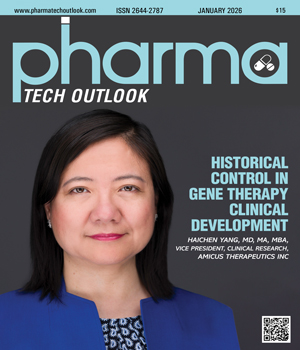
Currently, most gene therapies are being developed for rare and serious diseases. In vivo gene therapies tend to be one treatment only and many use invasive delivery methods. On the other hand, ex vivo gene therapies involve complicated and lengthy preparation processes. These and other complications made it very difficult to design place bo-controlled trials. So far, all approved gene therapy products have used historical data as control groups, either data from a natural history study (e.g., Zolgensma, Libmeldy) or historical data prior to treatment (e.g., Roctavian, Luxturna, Zynteglo). FDA opens to use historical (external) controls in specific circumstances. “FDA regulations recognize historical controls as a possible control group… however, inability to control for certain biases could limit the ability of externally controlled trials to demonstrate substantial evidence of effectiveness. However, bias may be mitigated in certain situations where the disease course is predictable and the treatment effect dramatic.” (FDA Draft Guidance “Rare Disease: Natural History Studies for Drug Development”)
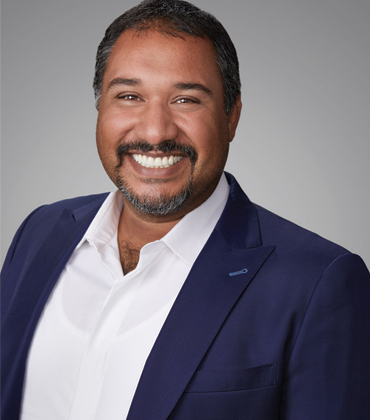
Independent pharmacies across the U.S. are running into a wall with the Drug Chain Secuirty Act (DSCSA). The law now brings wholesalers fully into scope and changes how pharmacies must electronically receive and reconcile serialized shipments. Each unit carries a unique serial identifier, supported by interoperable digital transaction data that trace its path from manufacturer to pharmacy shelf. It is good for safety but hard on small teams. Chain pharmacies manage this transition with scale. They have integrated systems, a dedicated compliance staff, and a budget to maintain scanners, portals, and data storage. However, independent owners do not have that leverage since they are the pharmacist, the buyer, and the IT support all in one. A single mismatched data reconciliation can stop a shipment from being received. Incomplete or mismatched data files trigger exceptions that take time to fix. And since verification tools are still evolving, pedigree checks often add more delays than answers. What independent pharmacies need is simple. They need products that arrive already validated and easy to confirm. They also need a distributor that sources what big systems overlook, such as niche strengths and specialty generics that matter in real clinics. That kind of support does more than fix logistics. It keeps the personal side of pharmacy alive, where care is local, names are remembered, and patients are more than profiles. That is the belief that drives True Marker Pharmaceuticals. The company is a national wholesaler built around the realities of independent pharmacies. It treats compliance as part of daily work, not an added burden. Each shipment is processed in accordance with DSCSA serialization and verification requirements, so by the time it reaches the counter, pharmacists can stay focused on what matters most—the people they serve. “Independent pharmacies shouldn’t have to choose between meeting DSCSA requirements and serving their patients. We have built our distribution systems so that compliance happens quietly in the background, allowing pharmacists to keep doing what they do best while we handle the rest,” says Davin Deb, CEO..
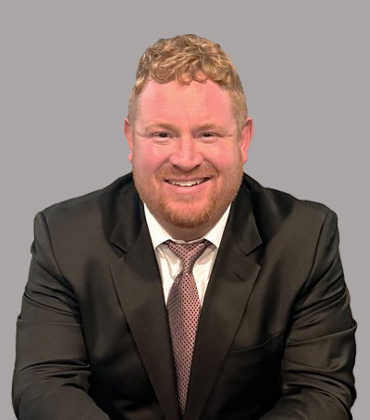
Managing controlled substances demands expert oversight. GTC Consulting stands apart in the DEA compliance space by leading with a proactive, results-oriented approach. Rather than reacting to violations or audits, GTC anticipates regulatory changes, identifies compliance gaps early and implements forward-thinking solutions. This strategy protects clients from enforcement actions, costly fines, and reputational damage. GTC provides specialized regulatory guidance to pharmaceutical manufacturers, distributors and healthcare entities at the federal and state levels. It serves a diverse client base, from small businesses to Fortune 500 companies, helping them maintain compliance by assisting with DEA registrations and state licenses. It also conducts regulatory audits to identify compliance gaps and help clients stay ahead of evolving requirements. What truly differentiates GTC is its comfort with complexity. The team embraces high-risk and nontraditional challenges that fall outside the typical scope of DEA consulting, bringing deep regulatory expertise and strategic agility to every engagement. “Our battle-tested experience goes a long way in helping clients truly understand the totality of the risks,” says Benjamin F. Mink, president and CEO. A team of seasoned experts, including Ph. D.-level doctors and former DEA leadership, brings deep industry knowledge and strategic insight. It helps clients meet compliance standards and develop proactive strategies to protect their operations. In today’s high-risk regulatory environment, companies can’t afford guesswork. GTC delivers insight shaped by real regulatory battles and legal proceedings—giving leaders the clarity and confidence to move forward. It’s experts have testified before the U.S. Congress and worked on criminal trials involving executives prosecuted for pharmaceutical distribution violations. This expertise equips it to serve clients with practical, real-world insights to better understand their obligations and effectively mitigate risk.
Drug development is evolving—shifting from small-molecule drugs (under 500 molecular weight) to larger (above 1,000), more complex compounds—designed to interact with biological pathways more precisely. Therapeutics like peptides and GLP-1 receptor agonists offer enhanced efficacy and target specificity but bring formulation challenges due to their size, fragility and poor oral bioavailability. These complexities demand advanced delivery systems and specialized handling. As a vertically integrated contract development and manufacturing organization (CDMO), Laviana Pharma navigates this complexity. By emphasizing early-stage formulation testing, Laviana helps uncover potential stability and delivery issues early, reducing downstream risks and accelerating the path to clinical success. Its scientific rigor and integrated capabilities make it a vital partner for companies bringing next-generation therapeutics to market. Speed and proximity have become Laviana’s key advantages. It has a specialized formulation laboratory in the U.S. designed specifically for the early-phase development of high-molecular-weight drug candidates. Working locally with U.S. clients means faster decisions, real-time adjustments and shorter timelines. Over the past 20 years, Laviana has helped develop hundreds of candidates and contributed to the successful launch of more than 30 drugs. Some of its early-stage collaborations have led to biotech breakthroughs later acquired by major pharmaceutical firms, an indicator of Laviana’s quiet but critical role in drug development success stories. Starting as a small CRO, Laviana quickly moved on to establishing its own pilot plant. After the R&D and manufacturing sites moved to their new locations, the upgrades Laviana received provided an advantage in equipment and capacity. Not only is Laviana able to do hydrogenation up to 2000 L, but the new trending high potency capability has also been recently added to Laviana’s portfolio. With a manufacturing capacity of up to 6300L and a team of more than 100 scientists, Laviana serves some of the most reputable pharmaceutical companies in the world. “Our role is to make drug development faster,” says Wenting Chen, co-founder and CEO. “Having early-stage development capabilities close to home with our hybrid supply chain strategy proves vital during emergencies like the pandemic when global supply chains get severely disrupted.” This strategy balances the reliability of local collaboration with the efficiency of global infrastructure. Along with the U.S.-based formulation lab, Laviana brings the globally distributed R&D and manufacturing network to advance programs from early development through commercialization. In Cangzhou, China, Laviana manages GMP manufacturing and the scale-up of high-potency APIs, where attention to regulatory compliance and technical detail is non-negotiable. Across the country in Beijing, the process development team uses AI-assisted retrosynthesis not as a buzzword, but as a practical tool, reworking complex synthesis routes to improve yields and cut down production time. Laviana’s fully automated facility in China is at the core of this integration, designed to support projects from early-stage research to late-phase clinical trials and commercial readiness.

Supply Chain

Saadia B. Chaudhry, Director, Clinical Trial Supply Management, Advanced Clinical
Drug Discovery and Development
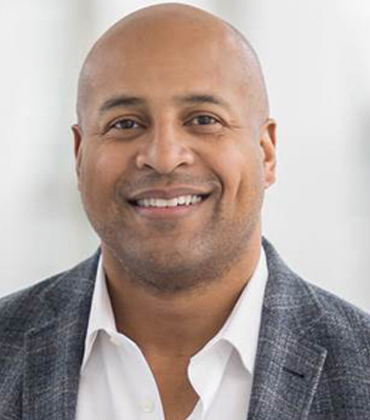
Paul Rowe, MD, ATSF, Senior Vice President, Head of Medical, Specialty Care, Immunology, Sanofi
Pharma Manufacturing

Alexis Bossie, Head of Media R&D, Lonza
Pharma Manufacturing

Rachel Legmann, PhD, Senior Director of Technology, Gene Therapy, Repligen Corp
Pharmacy Management

Safwan Kezbor, M.D., Executive Medical Director, Global Clinical Development, Shionogi

Pharmacy Management
Lothar Tremmel, Vice President, QCSR (Biometrics + Epidemiology), CSL Behring

Pharma Manufacturing
Tatiana Sorokina, Executive Director, Head of Advanced Quantitative Sciences Transformation, Novartis
Pharmaceutical wholesale is shifting to a digital, data-driven model using AI, blockchain, IoT, and robotics to enable predictive logistics, ensure supply chain integrity, and accelerate autonomous, patient-focused delivery.
Rigorous preclinical research and strict DEA compliance are essential in pharmaceutical innovation to ensure drug safety, regulatory approval, and secure handling of controlled substances throughout development.
New-Age Approaches for Advanced Pharmaceutical Development
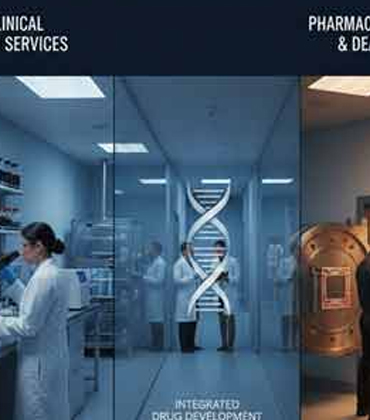
In this light, organizations contributing their expertise across preclinical research services, pharmaceutical security and DEA compliance consulting, and pharmaceutical wholesale distribution are emerging at the forefront of pharmaceutical innovation that are equally viable and trustworthy. Through disciplined science, regulatory clarity, and operational precision, these companies ensure consistent access to essential therapies. Together, their work reflects a pharmaceutical environment shaped by a long-term value.
In this edition of Pharma Tech Outlook, the focus is on the expertise that sustains pharmaceutical progress from early discovery through secure distribution. The converge highlights how preclinical research services, pharmaceutical security and DEA compliance consulting, and wholesale distribution capabilities strengthen scientific confidence, regulatory integrity and supply chain reliability across the pharmaceutical ecosystem.
This feature covers True Marker Pharmaceuticals, a pharmaceutical wholesaler focused on making DSCSA compliance effortless for independent pharmacies in the U.S. through integrated digital traceability systems, verified distribution and strong manufacturer partnerships.
It also highlights leaders advancing pharmaceutical innovation through science, technology and patient-centered insight. Paul Rowe, vice president and head of global medical immunology at Sanofi, shares how digital tools, precision immunology, and real-world data are reshaping drug discovery and development Safwan Kezbor, senior medical director of clinical development at Shionogi, explores how precision medicine, gene therapy, and artificial intelligence are accelerating progress in rare disease drug development.
We hope this edition sparks a renewed perspective on where pharmaceutical innovation is headed, particularly in areas of complex and rare diseases.