
THANK YOU FOR SUBSCRIBING

Pharma Tech Outlook Weekly Brief
Be first to read the latest tech news, Industry Leader's Insights, and CIO interviews of medium and large enterprises exclusively from Pharma Tech Outlook
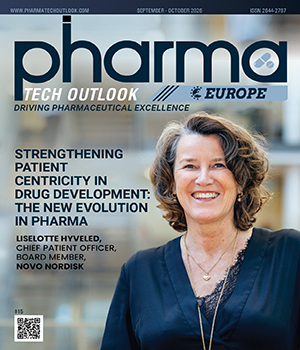
Through this article, Hyveled underscores the pharmaceutical industry's shift towards patient-centric drug development, emphasising the benefits of engaging patients throughout the process to enhance treatment outcomes, compliance and overall patient well-being. In recent years, the pharmaceutical industry has witnessed a significant shift towards patient-centric drug development. This evolution is not just a trend but a fundamental change in how drugs are developed, tested and brought to market. Many pharma companies have claimed patient centricity for years, but what does patient centricity truly mean and why do we see a shift now and why is it so crucial for the future of pharma? What is Patient Centricity? Patient centricity refers to the practice of designing and developing drugs with the patient's needs, preferences and experiences at the core. This approach involves engaging patients throughout the drug development process, from initial research to clinical trials and post-market surveillance. The goal is to create treatments that are not only effective but also align with the patient's lifestyle and improve their overall quality of life. The Importance of Patient Centricity 1. Improved Treatment Outcomes When patients are involved in the development process, their insights can lead to more effective and personalised treatments. For instance, understanding the daily challenges faced by people with diabetes can help in designing insulin delivery systems that are more convenient and less intrusive. 2. Enhanced Patient Compliance Drugs that are developed with patient input are more likely to be user-friendly, which can significantly improve adherence to treatment regimens. This is particularly important for chronic conditions where long-term medication is necessary. 3. Accelerated Drug Development Engaging patients early in the development process can help identify potential issues before they become significant problems. This proac
Drug development has more data than ever, but more data alone does not lead to better evidence. Clinical records, genomic sequences, imaging repositories and real-world treatment histories span health systems across dozens of countries. AI can interrogate these sources at a speed and scale no research team could match. The real test is knowing which data is fit for the question, the decision and the outcome a programme is trying to achieve. That challenge sits at the centre of how Mukhtar Ahmed guides BC Platforms . “The fundamental difference is getting to the right data to answer the question,” he says. “It’s not about going out to hunt for data; it’s about understanding the core problem, defining the research thesis and then finding the exact data needed to answer it.”.


Andrea Confetti, Exclusive Synthesis Business Unit Leader
Pharmaceutical innovation is transforming lives faster than ever. Yet, bringing groundbreaking therapies to market comes with challenges— growing regulatory demands, rising costs, and supply chain disruptions. To stay ahead, originators need a CDMO that offers more than just manufacturing support. They require customized drug development from the initial phase to full-scale commercial production. With deep chemistry expertise and advanced technology, Dipharma stands apart. It is a strategic partner that optimizes drug production for efficiency, scalability, and compliance while maintaining the highest quality and safety standards. Backed by over 55 years of regulatory excellence, Dipharma adapts to the evolving needs of pharmaceutical companies. Its flexible, solutions-driven approach streamlines development and accelerates time to market. Not Just a CDMO—A Catalyst for Success Dipharma’s role goes beyond manufacturing—it acts as a trusted ally to pharmaceutical companies worldwide. From the initial preclinical phase to full-scale commercial production, the company works closely with clients to provide customized, end-to-end solutions. This collaborative approach ensures that clients receive not only manufacturing expertise but also strategic insights to help navigate market and regulatory landscapes effectively. The company prioritizes customers by maintaining high manufacturing standards and offering comprehensive support throughout a molecule’s lifecycle. As a third-generation, family-owned company, Dipharma focuses on long-term relationships built on trust, reliability, and flexibility. Its customer-centric approach ensures tailored solutions beyond standard CDMO services, with dedicated project management teams facilitating continuous communication and strategic alignment. Its agile structure enables swift responses to market changes, regulatory shifts, and production demands, fostering efficiency and innovation in meeting client’s objectives. Advancing Process Development and Manufacturing Excellence Dipharma specializes in transforming small-scale laboratory processes into commercially viable production methods by refining synthetic processes. The company enhances purification techniques to meet regulatory standards, applies advanced analytical methods for better process control, and redesigns synthesis pathways for efficiency and scalability. These strategies reduce costs, improve consistency, and accelerate development, helping pharmaceutical companies produce high-quality drugs efficiently.
Managing controlled substances demands expert oversight. GTC Consulting stands apart in the DEA compliance space by leading with a proactive, results-oriented approach. Rather than reacting to violations or audits, GTC anticipates regulatory changes, identifies compliance gaps early and implements forward-thinking solutions. This strategy protects clients from enforcement actions, costly fines, and reputational damage. GTC provides specialized regulatory guidance to pharmaceutical manufacturers, distributors and healthcare entities at the federal and state levels. It serves a diverse client base, from small businesses to Fortune 500 companies, helping them maintain compliance by assisting with DEA registrations and state licenses. It also conducts regulatory audits to identify compliance gaps and help clients stay ahead of evolving requirements. What truly differentiates GTC is its comfort with complexity. The team embraces high-risk and nontraditional challenges that fall outside the typical scope of DEA consulting, bringing deep regulatory expertise and strategic agility to every engagement. “Our battle-tested experience goes a long way in helping clients truly understand the totality of the risks,” says Benjamin F. Mink, president and CEO. A team of seasoned experts, including Ph. D.-level doctors and former DEA leadership, brings deep industry knowledge and strategic insight. It helps clients meet compliance standards and develop proactive strategies to protect their operations. In today’s high-risk regulatory environment, companies can’t afford guesswork. GTC delivers insight shaped by real regulatory battles and legal proceedings—giving leaders the clarity and confidence to move forward. It’s experts have testified before the U.S. Congress and worked on criminal trials involving executives prosecuted for pharmaceutical distribution violations. This expertise equips it to serve clients with practical, real-world insights to better understand their obligations and effectively mitigate risk.

Pharma Manufacturing
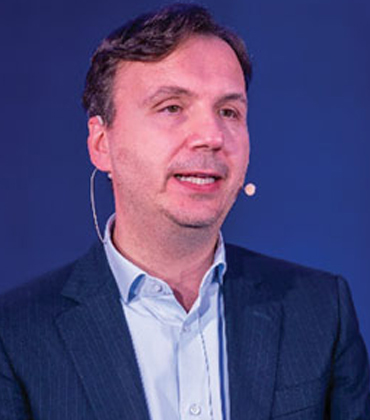
Max Brescia, Vice President Contract Manufacturing, AbbVie
Toxicology Testing

Ulf Andersson, Head of Preclinical Safety and Translational Pharmacology, Debiopharm
Toxicology Testing
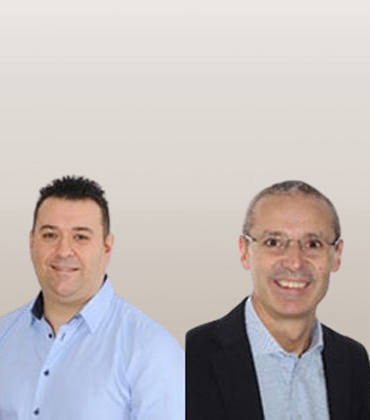
Stefano Gobbato, R&D Researcher Lab Automation expert and Jacopo Roletto, R&D Director of PROCOS S.p.A
Pharma Marketing
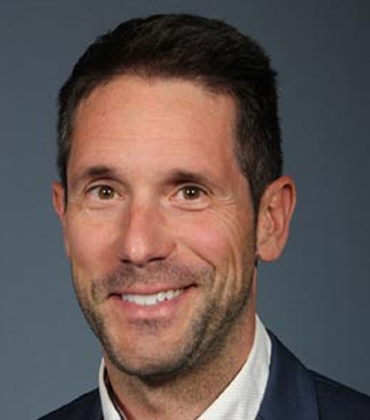
Luis Berrade, Senior Director, Global Biologics Testing Sales, Charles River Laboratories
Pharma Tech
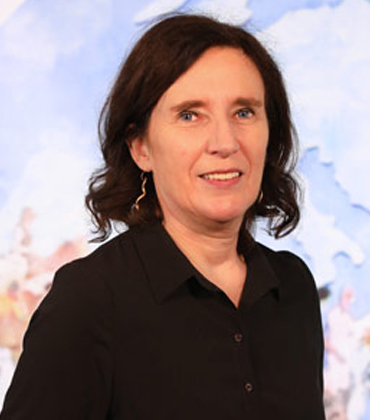
Veronique Kodjo, EVP of Global Manufacturing Supply Chain and Quality, CEVA SANTÉ ANIMALE
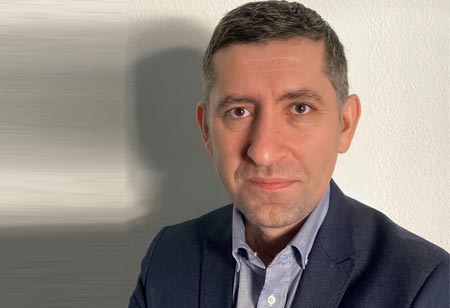
CMO
Ozgur Akbulut, Director - Divestment and Contract Manufacturing Lead, Takeda

CRO
Stefania Alvino, Head of Digital Innovation - DSPACE European Digital Hub Department, Daiichi Sankyo
AI drug discovery solutions accelerate research, improve candidate selection, support personalised medicine, and drive pharmaceutical innovation across Europe.
The position of Europe as one of the top research centers for pharmaceutical products keeps on growing as it adopts technology, which enhances the efficiency, effectiveness, and predictability of the development process.
Shaping the Future of Drug Development
BC Platforms, recognized as the Advanced Drug Development Technology of the Year in Europe 2026, is helping life sciences organisations turn distributed health data into research-ready evidence. Rather than focusing on data volume alone, the company starts with the research question and identifies the data required to answer it. Through secure data access, harmonisation, federated analysis and AI-enabled workflows, BC Platforms helps researchers work with complex clinical, genomic and real-world datasets while maintaining local data controls.
The issue also highlights perspectives from leaders addressing key shifts across the pharmaceutical landscape. Ozgur Akbulut, Director - Divestments and Contract Manufacturing Lead at Takeda, examines how CMOs and CDMOs are becoming increasingly important partners for pharmaceutical companies by supporting quality, supply reliability, operational excellence and faster product development. He highlights the need for contract manufacturing organisations to create long-term value through continuous improvement, strong processes and collaborative partnerships.
Stefania Alvino, Head of Digital Innovation - DSPACE European Digital Hub Department at Daiichi Sankyo, explores how digital health is changing the relationship between patients, healthcare providers and technology. She highlights the growing role of connected devices, artificial intelligence, electronic health records and personalised care pathways in creating more informed and patient-focused healthcare experiences.
The organisations and leaders featured in this edition demonstrate that the next phase of pharmaceutical innovation will depend on more than scientific discovery alone. It will require trusted data, stronger collaboration and technologies that help translate research into meaningful outcomes. We invite you to explore these perspectives and discover how new approaches to data, manufacturing and digital health are shaping the future of medicine.